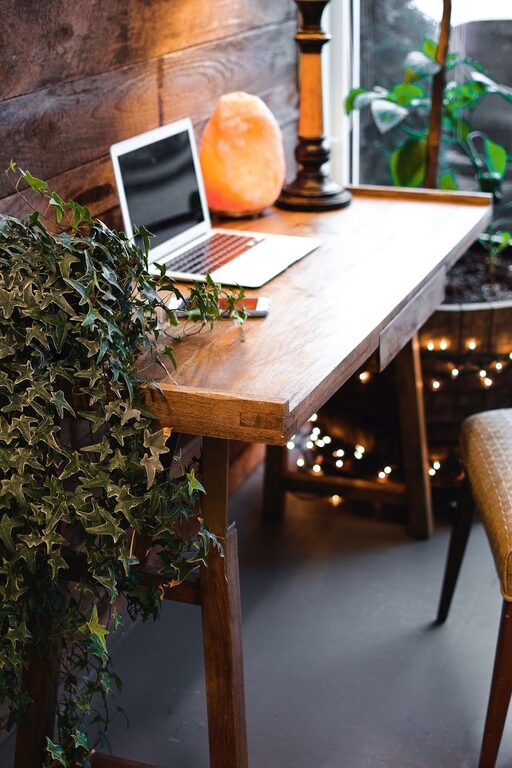






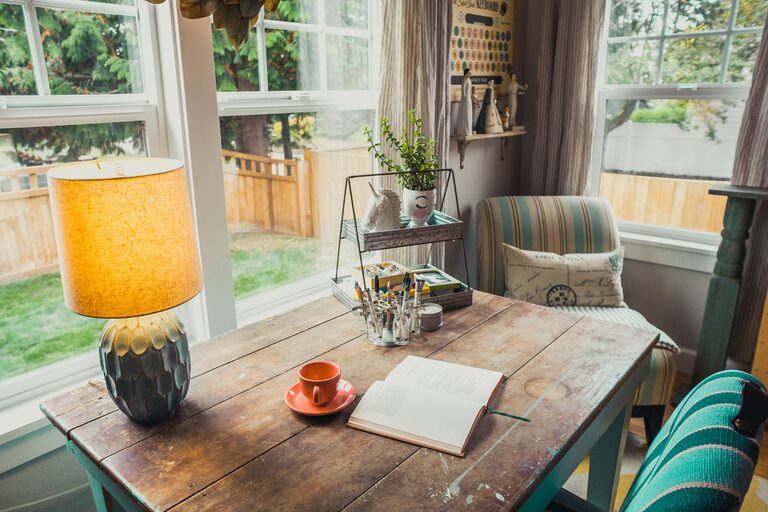
Creating a cozy and inviting home workspace is essential for maintaining focus, comfort, and motivation, especially when working remotely or pursuing personal projects. A well-designed workspace not only enhances productivity but also contributes to your overall wellbeing. Here are practical tips to help you build a space where you enjoy spending time.
Choose the Right Location
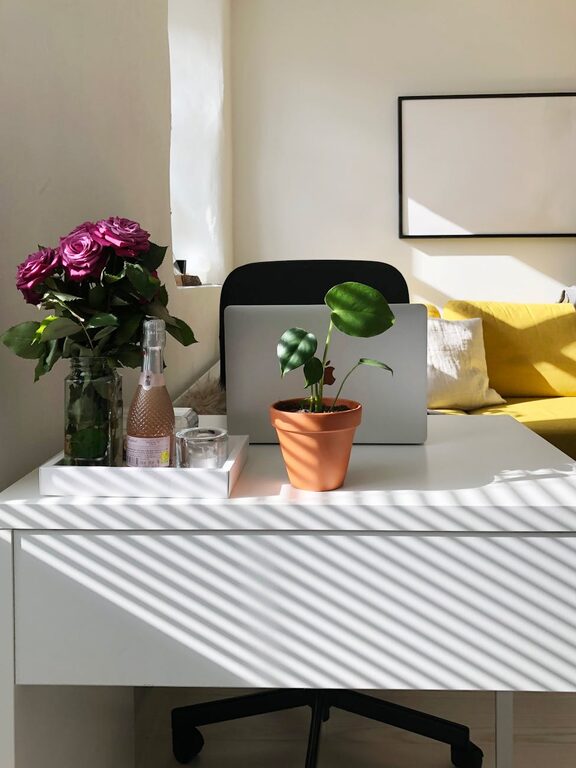
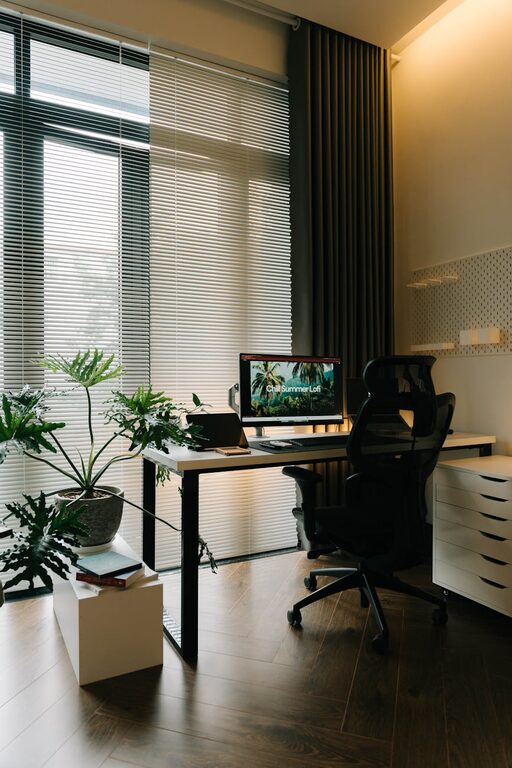
Selecting the ideal spot for your workspace is the first step. Ideally, pick a quiet area with minimal distractions and enough room for your equipment and supplies. Natural light is a big plus, so position your desk near a window if possible. Good lighting reduces eye strain and improves mood, making your workday more enjoyable.
Invest in Comfortable Furniture
Comfort is key when setting up your workspace. Choose an ergonomic chair that supports your back and promotes good posture. Your desk should be at a height that allows your arms to rest comfortably while typing or writing. If space permits, consider a sit-stand desk to alternate between sitting and standing throughout the day.
Personalize Your Space
Make your workspace feel welcoming by adding personal touches. This may include framed photos, artwork, or decorative objects that inspire you. However, avoid cluttering your desk with too many items to maintain focus. A few well-chosen accessories can make your space feel uniquely yours without overwhelming it.
Optimize Lighting
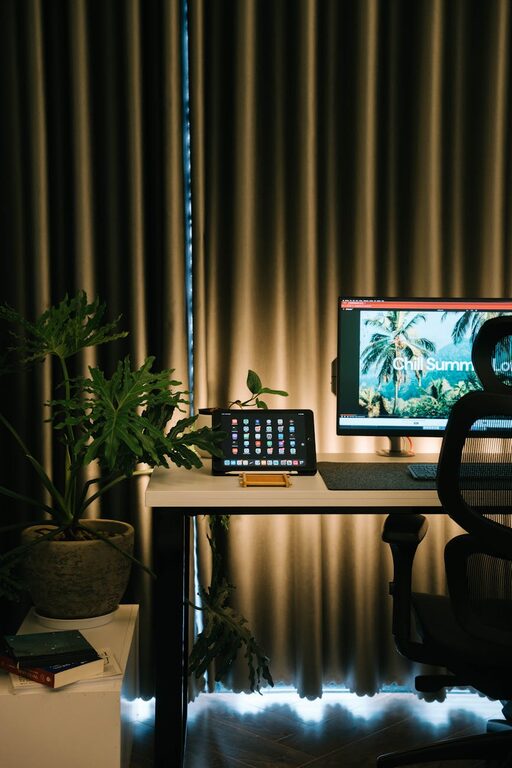
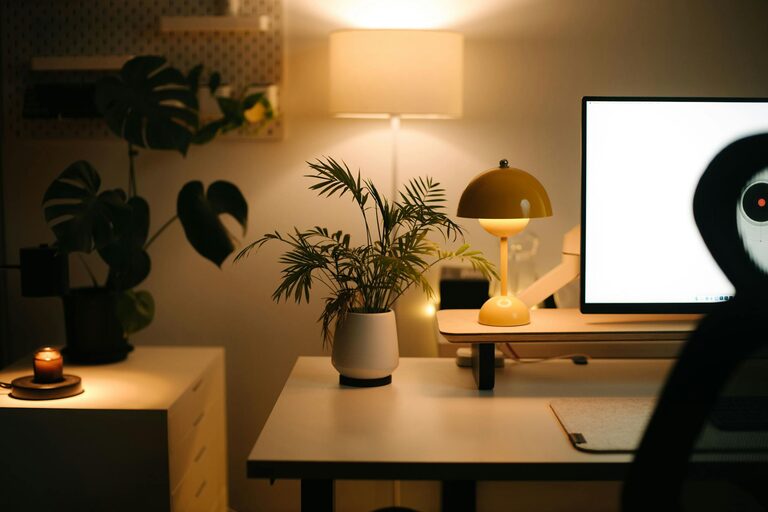
Proper lighting plays a crucial role in creating a cozy ambiance. If natural daylight is limited, invest in good-quality desk lamps with adjustable brightness and color temperature. Warm light creates a relaxed atmosphere, while cooler light can help you stay alert during intense work sessions. Layering light sources, like combining overhead and task lighting, can enhance the overall feel.
Incorporate Greenery
Adding plants to your workspace has multiple benefits. They improve air quality, reduce stress, and add a refreshing splash of color. Choose low-maintenance plants such as succulents, snake plants, or pothos that thrive indoors and require minimal care. Small planters can fit nicely on your desk or nearby shelves.
Keep It Organized
A tidy environment helps reduce distractions and creates a pleasant work atmosphere. Invest in storage solutions like shelves, drawers, or organizers to keep office supplies, documents, and cables neatly arranged. Labeling containers can make it easier to find what you need quickly and keep the space organized over time.
Use Soothing Colors
The colors in your workspace influence your mood and productivity. Soft, neutral tones such as light blues, greens, or creams can create a calming effect. If you prefer vibrant colors, use them sparingly as accents through cushions, wall art, or accessories. Avoid overly bright or harsh colors that might cause distraction or fatigue.
Add Soft Textiles
Incorporate soft textures to boost comfort and coziness. A plush rug under your desk, cushions on your chair, or a cozy throw blanket can make your workspace feel inviting. These small touches add warmth and can help reduce noise, which contributes to a more comfortable environment.
Minimize Noise
If you live in a noisy environment, consider ways to minimize distractions. Soundproof curtains, rugs, or wall panels can help absorb ambient noise. Alternatively, noise-cancelling headphones or playing soft background music can improve your focus and create a peaceful work atmosphere.
Maintain Good Air Quality
Fresh air and proper ventilation are important for comfort and health. Keep windows open whenever possible or use an air purifier to improve indoor air quality. Avoid placing your workspace too close to sources of dust or fumes.
Schedule Breaks and Create Boundaries
Design your workspace with clear boundaries to separate work time from relaxation. Avoid working in bed or on the couch, which can blur the lines between leisure and productivity. Setting a schedule for regular breaks helps you rest and prevents burnout.
—
Creating a cozy and inviting home workspace is about blending comfort, functionality, and personal style. By following these tips, you can build a space that supports your work while making you look forward to each day spent there. Remember, your ideal workspace is one that feels right for you and encourages your best work.