





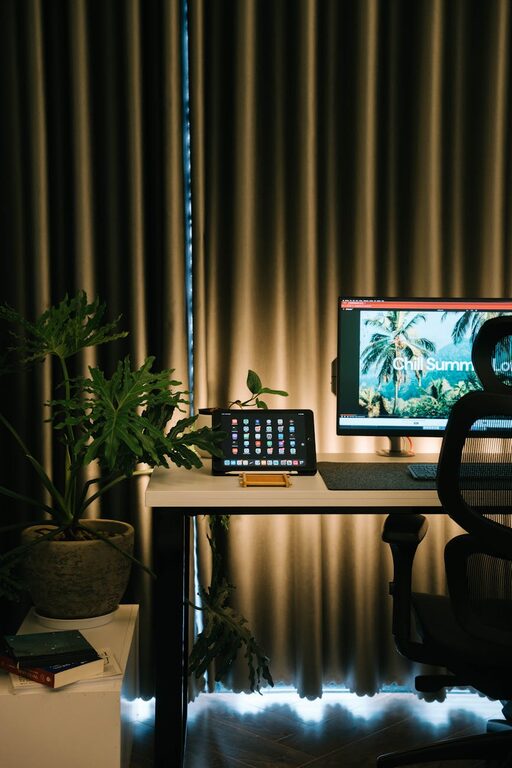
Creating a cozy and inviting home workspace is essential for enhancing focus and making work hours more enjoyable. Whether you work remotely full-time or need a dedicated space for occasional tasks, your home office should be a place where you feel comfortable and motivated. Here are practical tips to help you design a workspace that blends comfort, style, and functionality.
1. Choose the Right Location
The first step in creating a cozy workspace is selecting an ideal spot in your home. Ideally, this should be a quiet area with good natural light to reduce eye strain and boost your mood.
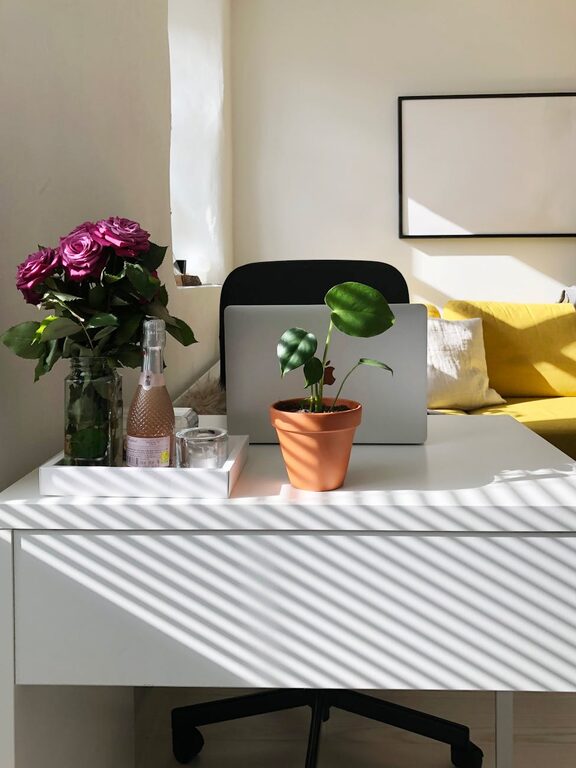
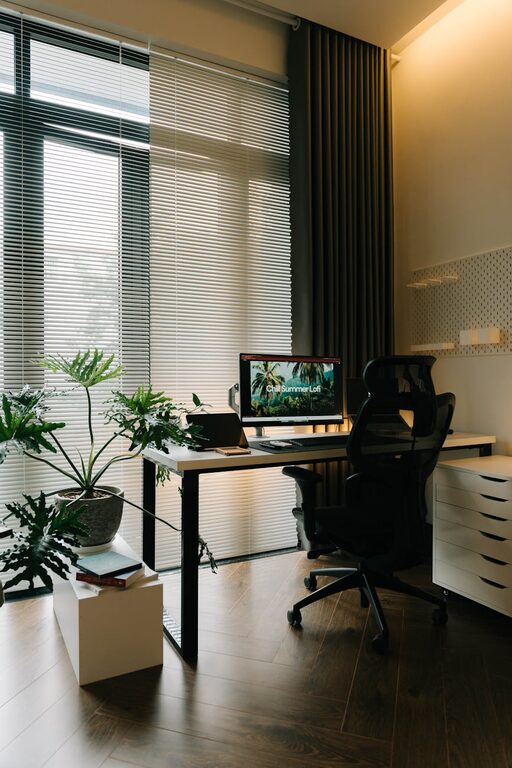
– Near a Window: Natural light improves well-being and alertness. Position your desk near a window to take advantage of daylight.
– Away from Distractions: Choose a corner or room where household noise is minimal.
– Easy to Access: The space should be easy to maintain and separate from high-traffic areas.
2. Invest in Comfortable Furniture
Comfort is key to a productive home office. Invest in furniture that supports good posture and creates a pleasant atmosphere.
– Ergonomic Chair: A chair with adjustable height and lumbar support helps prevent back pain.
– Sturdy Desk: Choose a desk large enough to accommodate your computer, notes, and accessories without feeling cluttered.
– Optional Footrest: For added comfort, consider a footrest to reduce leg fatigue.
3. Focus on Lighting
Proper lighting reduces eye strain and sets a welcoming tone.
– Layer Lighting: Combine natural light with overhead lights and task lighting like desk lamps.
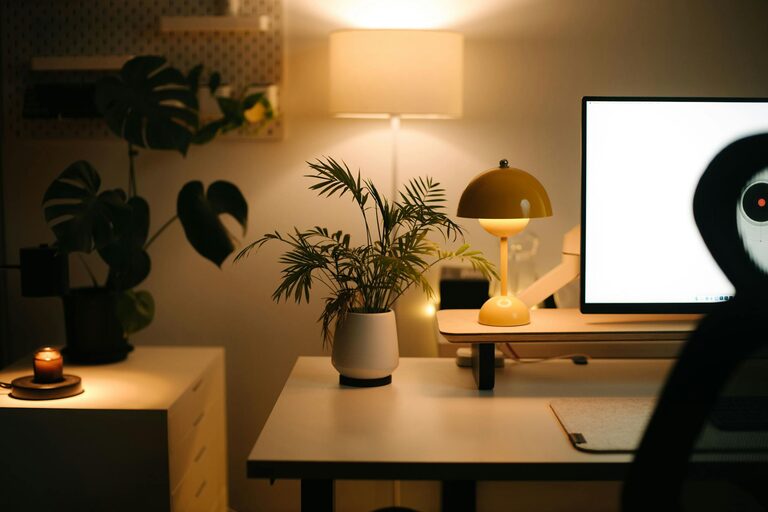
– Adjustable Desk Lamps: They allow you to focus light where you need it most.
– Warm Light Bulbs: Use bulbs with a warm tone to create a soothing environment rather than harsh white light.
4. Personalize Your Space
Adding personal touches can make your workspace feel inviting and inspiring.
– Artwork and Photos: Hang favorite prints or family photos to give the room personality.
– Plants: Indoor plants not only improve air quality but also create a calming effect.
– Decorative Objects: Use items like candles, a cozy throw blanket, or inspirational quotes.
5. Organize Efficiently
A clutter-free workspace supports clearer thinking and reduces stress.
– Storage Solutions: Use shelves, filing cabinets, or baskets to keep documents and supplies neat.
– Desk Organizers: Keep pens, papers, and other small items organized on your desk.
– Cable Management: Use cable clips or sleeves to keep cords tidy and prevent tangling.
6. Control Temperature and Air Quality
Maintaining a comfortable room temperature and fresh air circulation is crucial for concentration.
– Adjustable Thermostat: If possible, set your space to a temperature that suits you best.
– Air Purifier or Fans: These can improve air quality and comfort throughout the day.
– Windows and Curtains: Open windows for ventilation and use curtains or blinds to control sunlight intensity.
7. Create Zones for Different Tasks
If space allows, design zones for different types of work to help you switch focus easily.
– Main Workstation: For computer and paperwork.
– Creative Corner: A small area for brainstorming, sketching, or reading.
– Relaxation Spot: A comfortable chair or cushion for breaks.
8. Use Calming Colors and Materials
The colors and textures in your workspace influence your mood and productivity.
– Soft Neutrals: Whites, beiges, and light pastels create a calm environment.
– Warm Accents: Add touches of warm colors like soft yellows or gentle oranges for a cozy feel.
– Natural Materials: Wood, cotton fabrics, and woven baskets add texture and warmth.
9. Limit Noise Distractions
Noise can be a big challenge when working from home, so take steps to minimize it.
– Noise-Cancelling Headphones: Great for tuning out background sounds.
– Soundproofing: Add rugs, curtains, or acoustic panels to absorb sound.
– Background Music or White Noise: Some people find these helpful to improve concentration.
10. Maintain Regular Tidying Habits
Keeping your workspace tidy on a daily basis helps maintain its cozy, inviting atmosphere.
– End-of-Day Cleanup: Take a few minutes to organize your desk before closing your work session.
– Weekly Deep Clean: Dust surfaces, vacuum rugs, and refresh any plants.
– Evaluate Layout: Periodically check if your setup still supports your needs and comfort.
—
Creating a cozy and inviting home workspace doesn’t require a big budget or a lot of space. By focusing on comfort, lighting, organization, and personalization, you can design a place that supports both productivity and well-being. Small changes today can make a big difference for your work routine tomorrow!