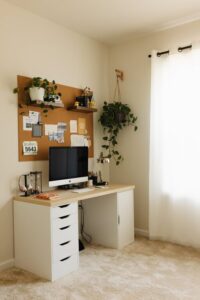



Working from home has become a common reality for many people, offering flexibility but also presenting unique challenges. Creating a comfortable and productive home office environment is essential to maintain focus, reduce stress, and improve work performance. In this blog post, we will explore practical tips to help you design a workspace that balances comfort with efficiency.
Choose the Right Location
Selecting the right spot for your home office is the first step. Ideally, this space should be:
– Quiet and away from distractions: Try to find a place with minimal noise from household activities or outside.
– Well-lit: Natural light is best, so choose a room near a window if possible. Good lighting can reduce eye strain and boost your mood.
– Spacious enough: You need enough space for your desk, chair, and any equipment you use regularly.
If you don’t have a dedicated room, a quiet corner or sectioned area can work well too.
Invest in Ergonomic Furniture
Comfort is key, especially if you spend several hours at your desk.
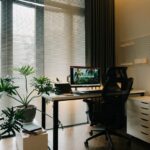
– Ergonomic Chair: Look for a chair that supports natural posture, adjustable height, and lumbar support.
– Appropriate Desk: The desk should allow your elbows to be at a 90-degree angle when typing, and there should be enough space for your computer and essentials.
– Monitor Position: Position your computer screen at eye level to avoid neck strain.
Ergonomic furniture not only prevents discomfort but also increases productivity by keeping you focused longer.
Organize Your Workspace Efficiently
A cluttered desk can lead to a cluttered mind. Keep your workspace tidy and organized:
– Use storage solutions: Shelves, drawers, and desk organizers can keep papers and office supplies in order.
– Limit distractions: Keep your desk clear of non-work-related items.
– Cable management: Use clips or sleeves to manage cables and avoid tangled cords.
An orderly workspace promotes a clear mind and efficient workflow.
Optimize Lighting
Lighting affects both comfort and productivity. Here’s how to get it right:
– Natural Light: Use daylight as much as possible to improve mood and energy.
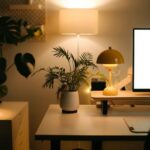
– Task Lighting: Supplement with a desk lamp that provides focused light without glare.
– Adjustable lighting: Dimmer switches or adjustable lamps let you control lighting based on time of day and task.
Proper lighting reduces eye fatigue and keeps you alert.
Maintain Good Air Quality
Fresh air and comfortable temperature influence your well-being.
– Ventilate regularly: Open windows when possible to let in fresh air.
– Air quality: Consider a small air purifier if you work in a space prone to dust or allergens.
– Temperature control: Use a fan or heater to maintain a comfortable temperature around 20-22°C (68-72°F).
A comfortable environment minimizes distractions and health risks.
Incorporate Personal Touches
While maintaining professionalism, personalising your space can increase your connection to it and make your workday more pleasant.
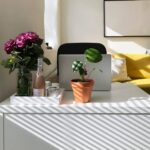
– Plants: Adding greenery can reduce stress and improve air quality.
– Artwork or photos: Choose inspiring or calming images.
– Comfort items: A cozy blanket or a favourite mug can boost comfort.
These elements make your workspace welcoming yet functional.
Establish Boundaries and Routine
Creating a productive environment is not only about the physical setup but also about habits.
– Set working hours: Stick to consistent start and finish times.
– Take breaks: Short breaks every hour help maintain concentration.
– Limit interruptions: Communicate your work schedule to family or housemates to reduce disruptions.
Good routines help keep your mind focused and prevent burnout.
Use Technology Wisely
Technology can aid productivity if used well.
– Reliable internet: Ensure stable connectivity for video calls and cloud work.
– Noise-cancelling headphones: Useful for focus and blocking out background noise.
– Productivity apps: Tools for time management, task lists, and reminders keep you organized.
Select devices and software that suit your work style and needs.
Keep Healthy Habits in Mind
Physical health supports mental performance.
– Stay hydrated: Keep water nearby and drink regularly.
– Stretch often: Simple stretches help reduce muscle tension.
– Proper posture: Regularly check your posture to avoid discomfort.
Healthy habits improve overall comfort and endurance during work hours.
—
Creating a comfortable and productive home office environment does not require major investments or complicated setups. By carefully choosing your location, investing in ergonomic tools, organising your space, managing light and air quality, and establishing good routines, you can enjoy a workspace that supports both your well-being and efficiency. Remember, a well-designed home office is a space where you feel motivated, focused, and comfortable every day.